
Story by Tracy Record
Photos by Torin Record-Sand
For West Seattle Blog
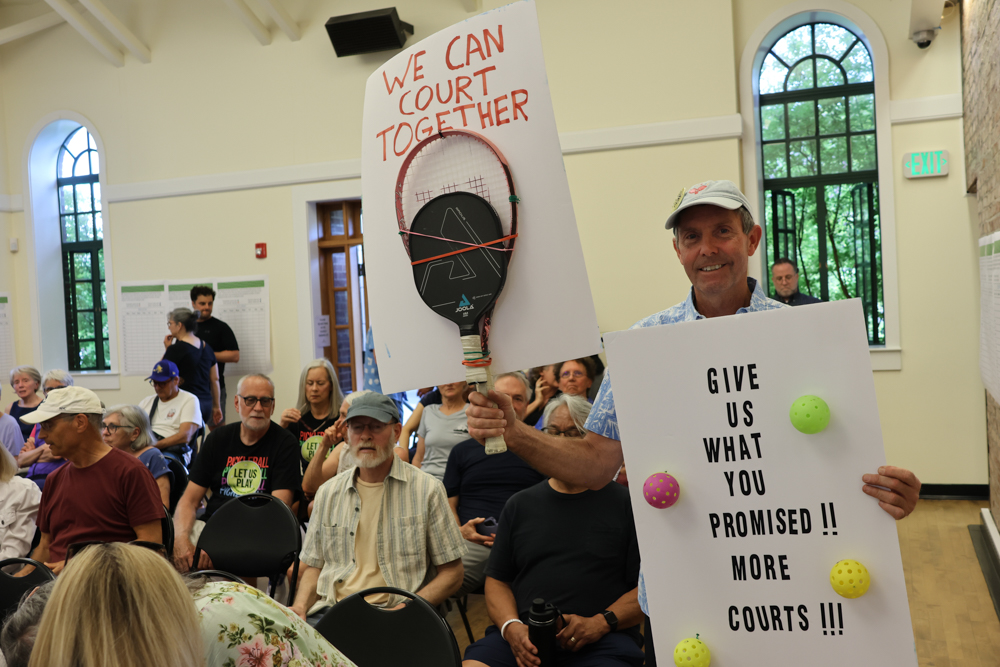
The first meeting in the second round of feedback on the Seattle Parks and Recreation draft “outdoor racquet-sports strategy” was far more cordial than you might have expected, given the “pickleball vs. tennis” narrative that’s collected around it.
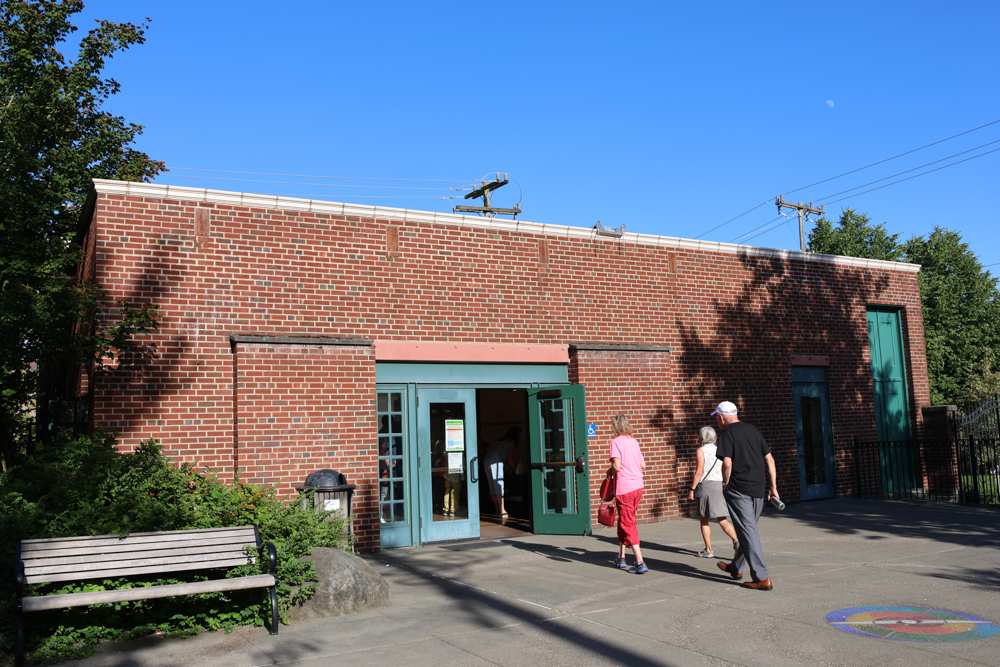
The meeting inside the historic building at Dakota Place Park on the north edge of the West Seattle Junction drew almot 100 people.
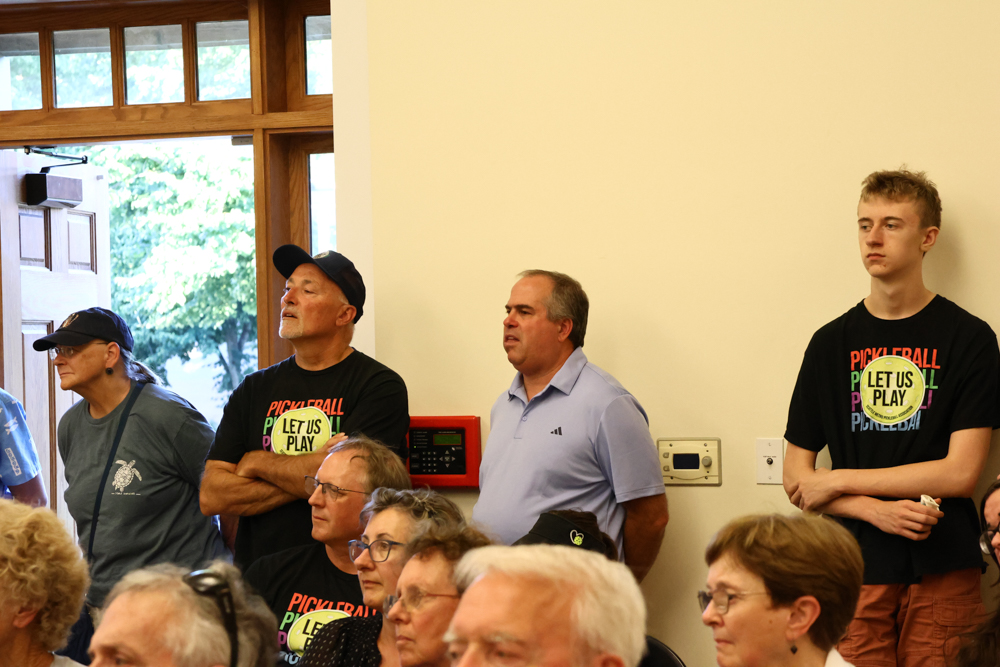
Judging by T-shirts among other things, most were there in support of pickleball access. Pickleball players say the city’s proposal – including an end to dual-striping courts – will slash the number of places they can play.
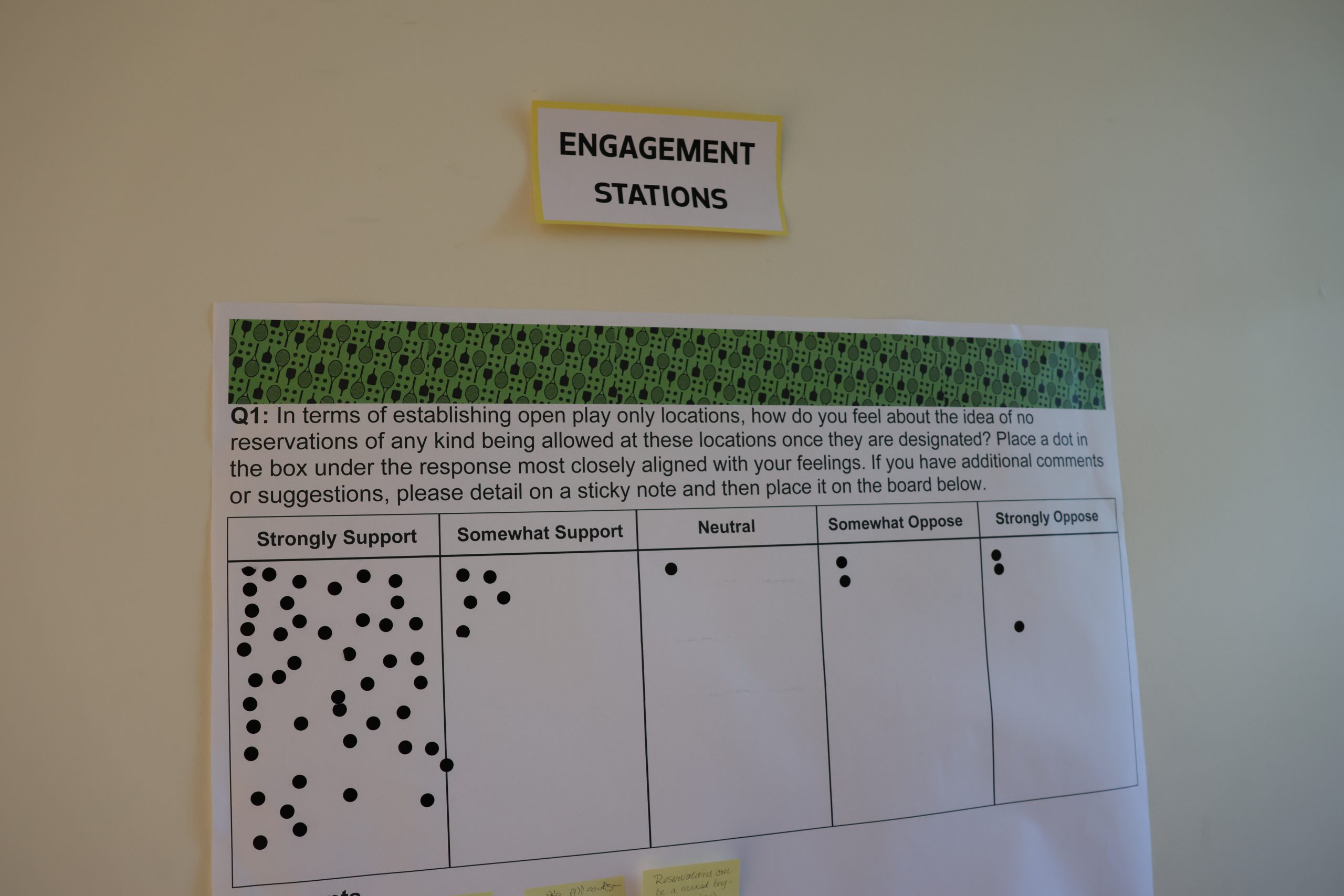
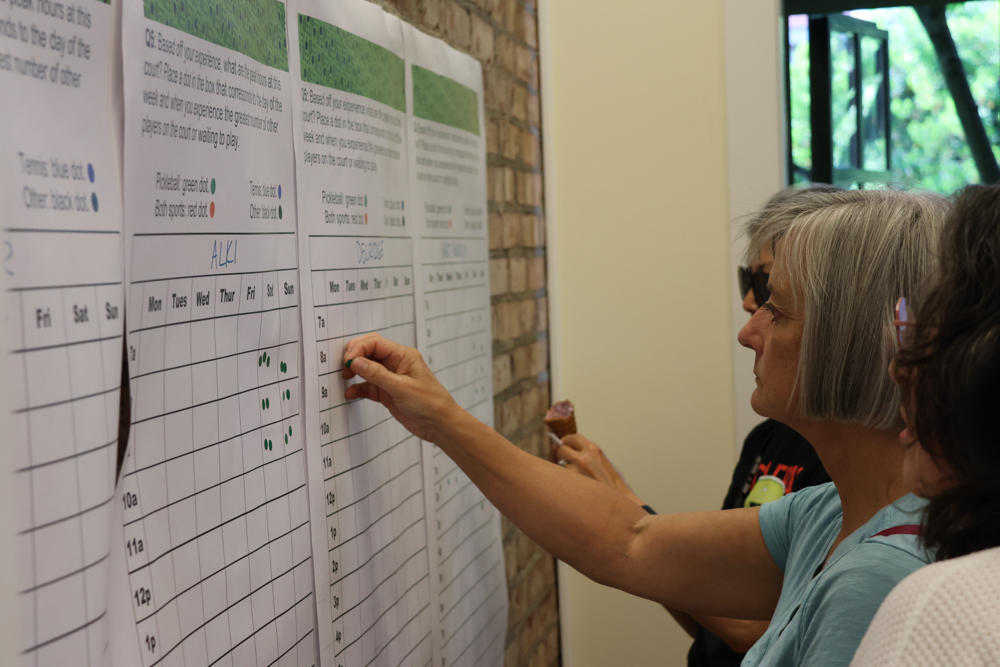
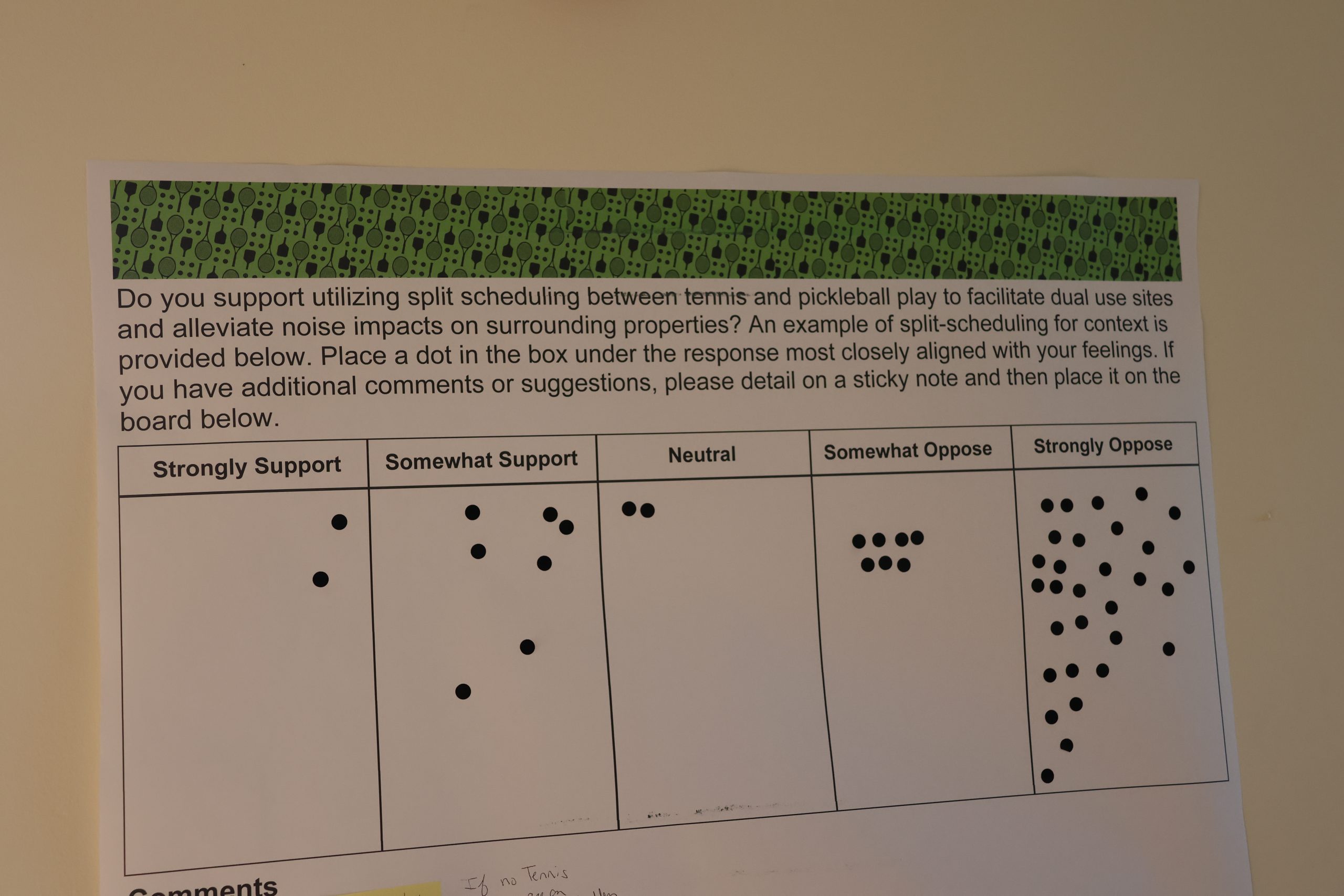
Parks reps said repeatedly that attending the meeting was just one way to offer feedback. The meeting room, and the Dakota Place building’s foyer, were both ringed with posters including statements/proposals attendees could mark with dot stickers, a tradition at public feedback meetings.
Most of the meeting was comprised of a presentation by Parks and open-mic comments – we recorded that all on video:
The presentation was led by Parks’ Annie Hindenlang, with Jonathan Gardner.
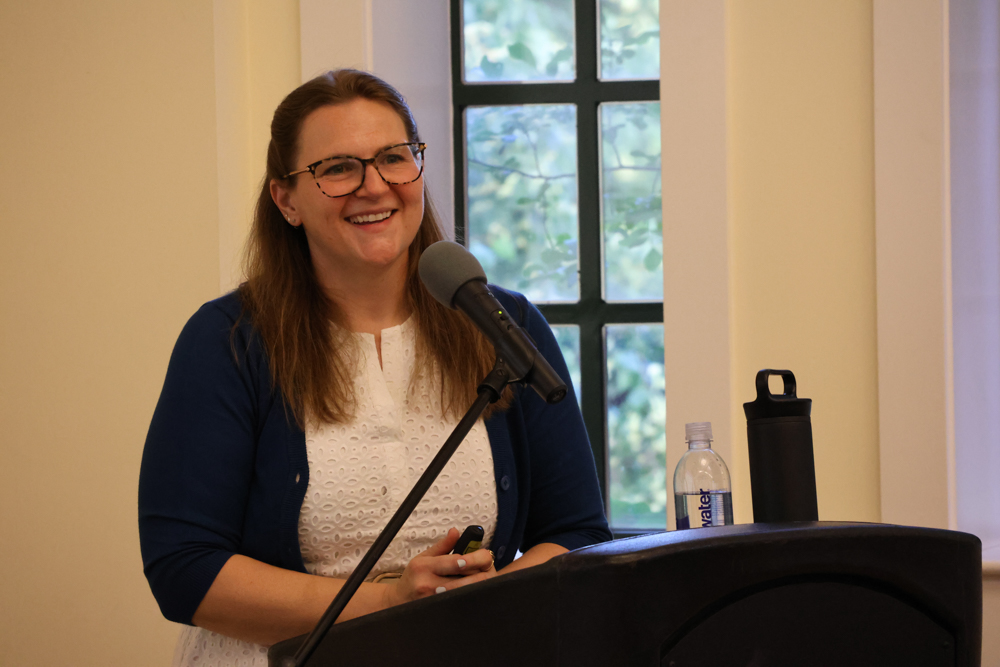
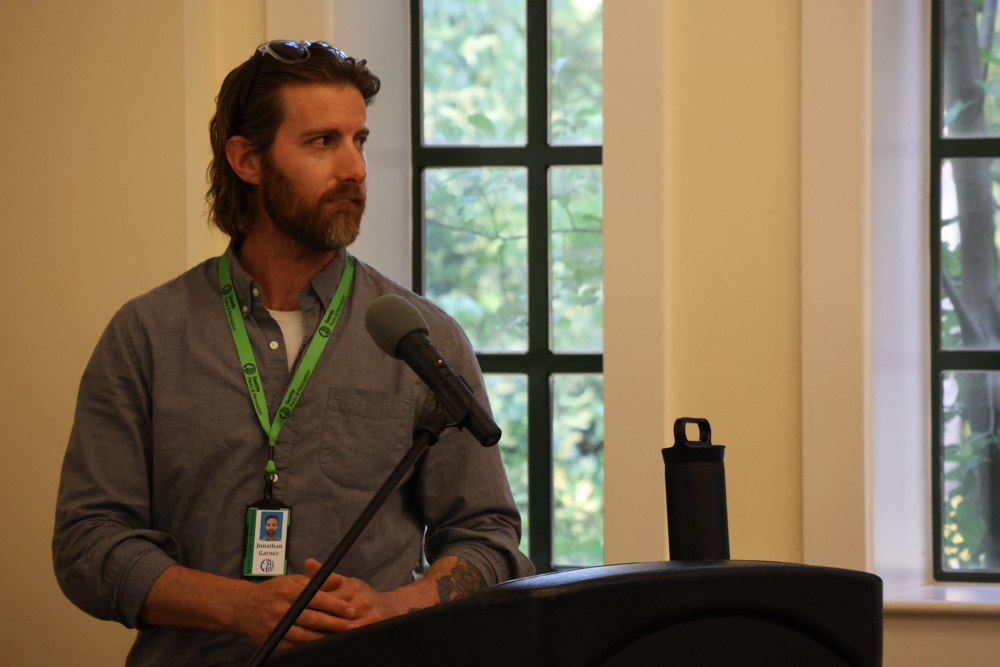
They recapped what the department considered key points of previous feedback, including that dual use of courts wasn’t working and that courts’ neighbors were concerned about noise. Also noted were some positive points, such as the social, community, and health benefits of pickleball. They also noted concerns about data that was used previously, explaining that technology from Placer AI was used to collect “anonymized mobile device data for 16 of the 19 affected court sites.
Also included in the presentation were what Parks considers “collaboration topics”; Hindenlang also noted that an online survey – which opens next Tuesday (June 30) – will address those same topics.
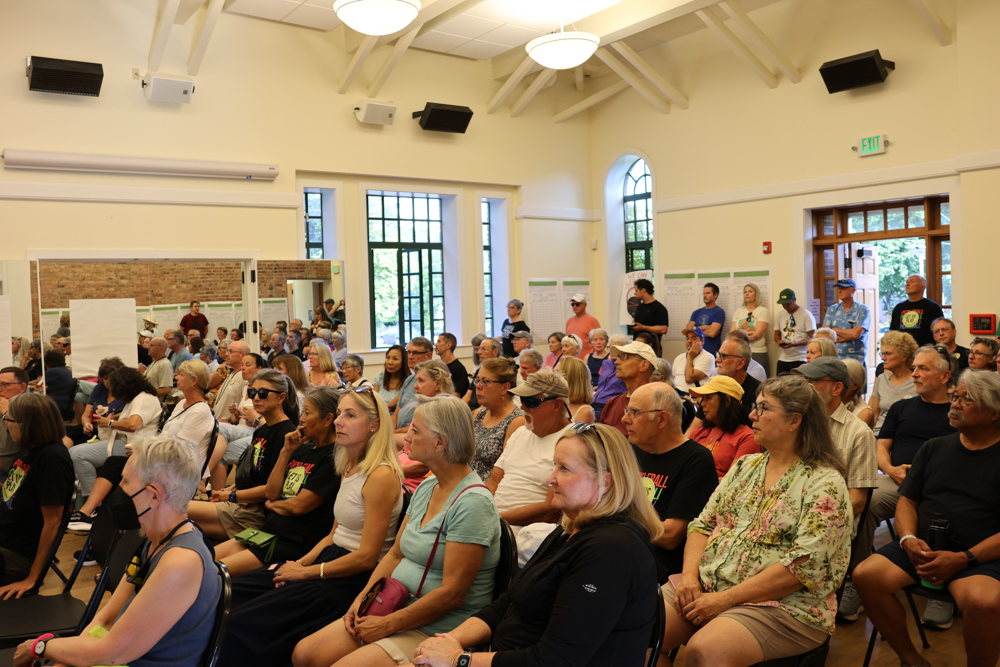
More than 20 open-mic comments followed (a few people took two turns as there was time left over in what Parks had allotted). Most, but not all, identified themselves as from West Seattle; one person who spoke twice voiced concerns about Cal Anderson Park on Capitol Hill, where the courts are used for more than racquet sports (they were particularly concerned about losing access for dodgeball).
Whether from tennis or pickleball advocates, the comments didn’t center so much on the respective sports’ attribute as on the Parks process for proposing and implementing the “strategy.” Among those complaints, the proposal’s development without collaboration – it appeared seemingly out of nowhere, presented for feedback, rather than a process that cold have collected ideas. “We never felt listened to,” said John Rankin from the Seattle Metro Pickleball Association. He said pickleball players felt they had been presented with “your plan” and “had to mobilize” to slow it down.
Also voiced: What exactly is the problem the “strategy” is trying to solve? (The Parks reps didn’t answer any questions posed to them by speakers, insisting they were under strict orders to only listen rather than to reply.)
Big applause was given to another speaker who promised, “We think we can find solutions.” They were followed by someone who said it was imperative to “get out of this ‘us vs. them’ mentality … We can find ways to find that common ground.” A later speaker said the Parks proposal had left both tennis players and pickleball players “in an uproar” but “we’re going to fix this.”
Another speaker who wanted to know more about what problems the “strategy” was meant to solve said that they could certainly address specific concerns, such as guerrilla lighting setups. Other pro-pickleball commenters said the sport benefits the community, not just individual players (though one person had an individual testimonial, saying they had “discovered a new life as a pickleball player” and lost 58 pounds by playing).
The sport’s growing popularity is honored by other cities around the country, said a player who described themselves as a frequent traveler, so why not Seattle?
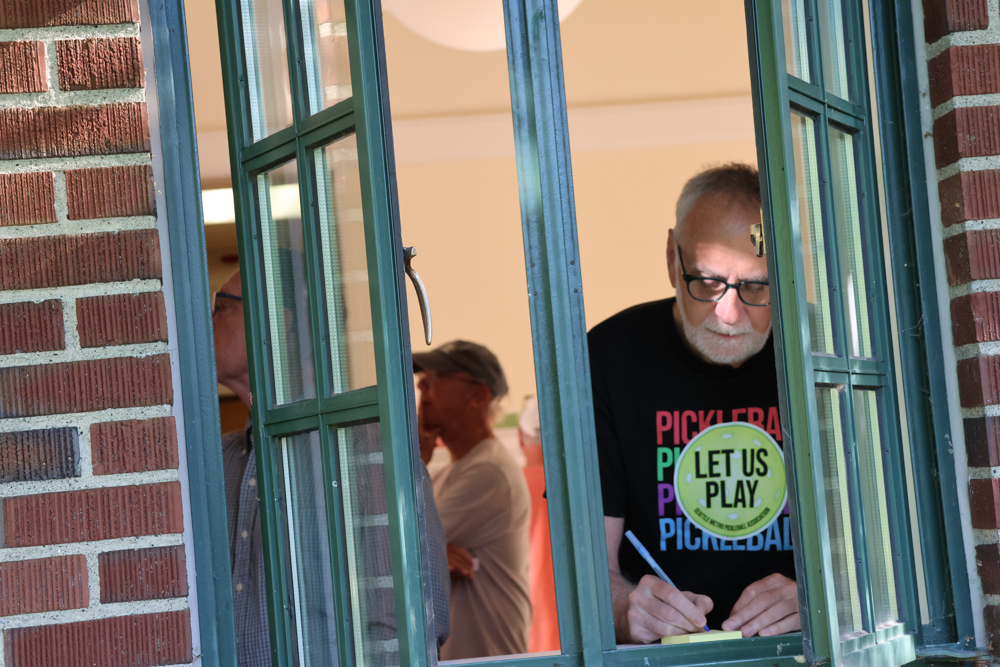
Though this meeting was the first in West Seattle – the first round of feedback only included “regional” meetings, and got no closer than South Seattle – there wasn’t much specific discussion or commenting about West Seattle sites, except the courts on the north side of Alki Playfield, which several people said they wanted to see remain accessible for pickleball.
The Parks reps did not offer a timeline for when – if – a revised “strategy” might be developed and presented, so the timeline for this second round of feedback remains what’s laid out on this webpage (including three more meetings in other part of the city), plus the forthcoming online survey, June 30 to July 14.